
The Future of AI: Lindsey Graham and the Shift in Tech Policy
Analyzing how US political policy impacts the future of AI technology and what it means for modern developers.
Introduction: The Intersection of Politics and Algorithms
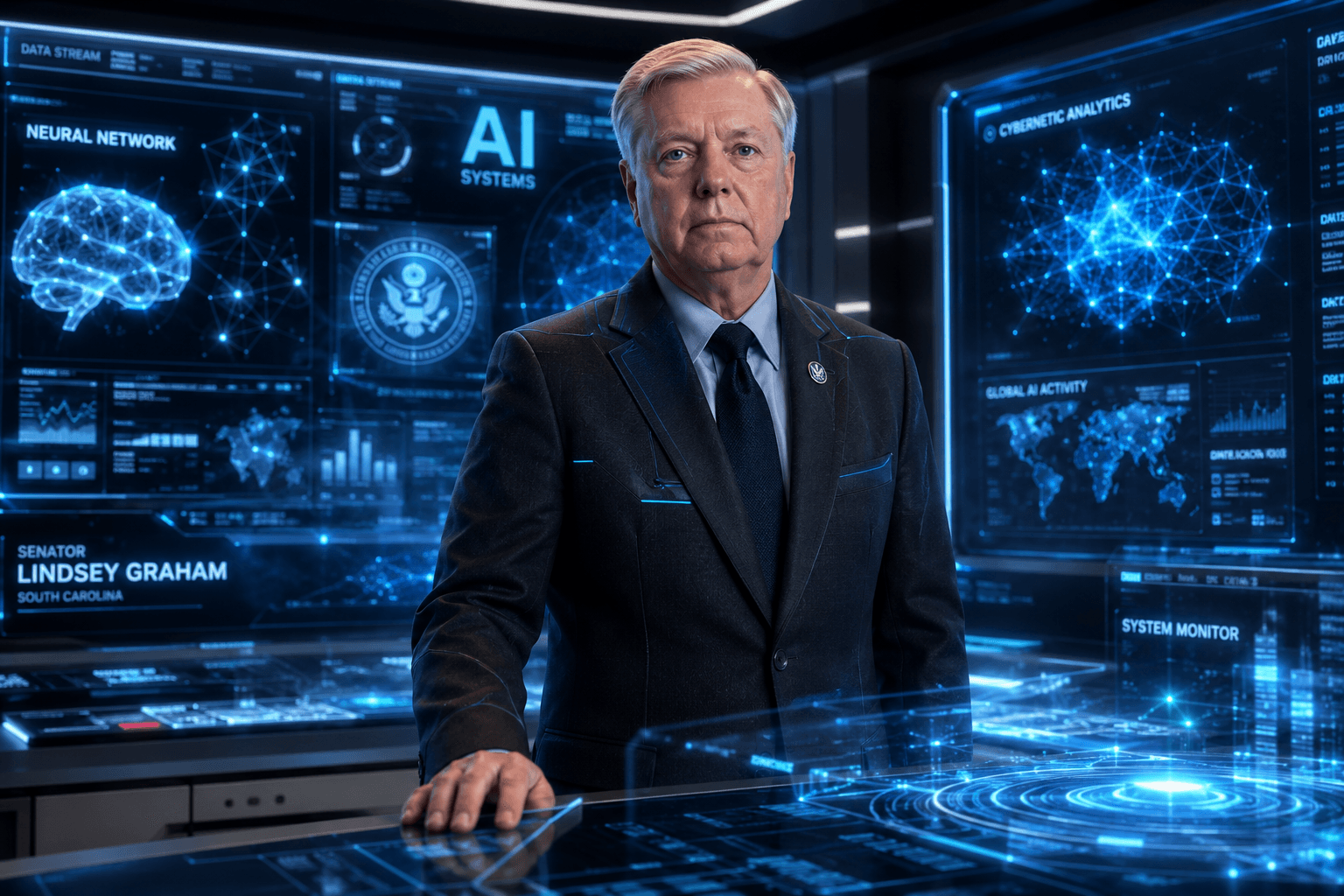
In the rapidly evolving world of Artificial Intelligence, we often focus on the code, the models, and the deployment speed. However, as AI becomes integrated into critical infrastructure, political leaders are stepping in to establish the rules. Senator Lindsey Graham has emerged as a key voice in this conversation, representing a growing shift where AI is viewed through the critical lens of national security and global strategy.
The National Security Perspective
Senator Grahams approach to AI is largely defined by his focus on national stability. He frequently argues that AI supremacy is not just a technological race but a fundamental component of U.S. geopolitical strength. His stance emphasizes that the nation that leads in AI development will dictate the future of economic and military dominance. For Graham, AI policy is inseparable from the broader competition between the United States and rival global powers.
Regulatory Challenges: Stifling or Shaping Innovation?
One of the most debated topics in current tech circles is the impact of regulation on innovation. Critics fear that stringent laws might hinder startups and individual developers. Conversely, supporters of Senator Graham’s view argue that without a clear legal framework, the rapid advancement of AI poses risks that could be difficult to contain. The challenge for policymakers is to find the "golden mean"—creating guardrails that ensure safety without stifling the creative energy of the developer community.
What This Means for the Modern Developer
For developers—especially those of us building with modern stacks like Next.js and integrating AI APIs—the implications are significant. Legislative shifts could eventually influence how data is processed, how models are deployed, and the compliance requirements for our applications. It is no longer enough to just know how to code; staying informed on the policy landscape is becoming a necessary part of the "full-stack" mindset.
Looking Ahead
As we move further into 2026, the discussions led by figures like Lindsey Graham will likely result in new frameworks that define how we interact with AI. Whether you are a student, a freelancer, or an enterprise developer, being aware of these trends will help you anticipate changes in the tech environment before they happen.
Frequently Asked Questions
Join the Discussion
Comments are coming soon. Share this article on social media.
Related Articles

GPT-5: Everything We Know So Far About OpenAI's Next Frontier
From rumored capabilities to expected release timelines, here's a comprehensive breakdown of what we know about GPT-5.

The State of AI in 2026: A Comprehensive Report
A data-driven look at where AI stands in 2026.

DeepSeek R1 Shocked the AI Industry: Everything You Need to Know
A Chinese AI lab released a model that rivals GPT-5 at a fraction of the cost. Here is why DeepSeek R1 matters and what it means for the future of AI.